Mama Celeste Frozen Pizza: What Retired Status Means For Consumers
Mama Celeste Frozen Pizza officially discontinued production and ceased operations in 2013, marking the end of its brief tenure in the frozen food sector.
The brand's retirement was driven by severe financial distress, including the loss of a critical manufacturing partnership and mounting debt obligations.
Investors and consumers should note that the brand has no active successor entity, meaning original products are no longer manufactured or sold through standard retail channels.
The frozen pizza market has since consolidated, with major legacy brands and premium frozen food companies capturing the shelf space previously held by Mama Celeste.
Consumers seeking the original flavor profiles must rely on secondary markets or similar product lines from current dominant players in the frozen pizza industry.
The frozen pizza landscape has undergone significant consolidation and evolution over the past decade, yet the name Mama Celeste remains a distinct footnote in the industry's history. For retail investors and food industry observers, understanding the trajectory of Mama Celeste Frozen Pizza provides a clear case study in how regional brands can struggle against national scale and supply chain disruptions. The brand, which was once a notable player in the Northeastern United States, officially retired and ceased all manufacturing operations in 2013. This discontinuation was not a temporary pause or a rebranding effort, but a complete exit from the market driven by insurmountable financial and operational challenges.
The retirement of Mama Celeste Frozen Pizza occurred during a period of intense competition in the frozen food aisle. While the broader frozen pizza market continued to grow, driven by innovations in crust technology and premium ingredients, Mama Celeste found itself unable to sustain its operational footprint. The brand was originally developed by a family-owned business that sought to bring an authentic, high-quality Italian-style frozen pizza to a wider audience. Despite initial success in local markets, the company faced structural headwinds that ultimately proved fatal to its business model. The cessation of operations in 2013 marked the end of an era for consumers who had come to rely on the brand's specific product offerings, leaving a gap that was quickly filled by larger, more diversified food conglomerates.
From an investor perspective, the exit of Mama Celeste Frozen Pizza highlights the risks associated with smaller, regional food brands that lack the economies of scale to compete with industry giants. The brand's inability to secure long-term manufacturing partnerships or maintain consistent distribution networks underscored the importance of supply chain resilience in the frozen food sector. Today, the brand exists primarily in the memories of former consumers and in rare instances on secondary markets, where vintage packaging and unopened boxes may fetch a premium from collectors or nostalgic buyers. However, for the broader market, the brand is effectively retired, with no active production lines or corporate entities managing its legacy products.
Did Mama Celeste Really Retire? Analyzing The Market Exit
The question of whether Mama Celeste Frozen Pizza truly retired is straightforward based on available corporate records and market data. Yes, the brand completely retired from the frozen pizza market in 2013, following a series of operational failures that led to its dissolution. The company, which had been operating under various corporate structures over its history, ultimately could not sustain its financial obligations. The retirement was not a strategic pivot to a different product category, but a full cessation of business activities related to frozen pizza production and sales.
The timeline of Mama Celeste's decline reveals a pattern of escalating difficulties. In the years leading up to 2013, the brand struggled with production delays, quality control issues, and a loss of key distribution partners. These operational challenges were compounded by broader economic pressures that affected consumer spending on premium frozen foods. The company's inability to adapt to these changing market conditions ultimately led to its decision to shut down operations. This complete retirement means that the brand's intellectual property, recipes, and manufacturing equipment were likely liquidated or sold off, with no active entity continuing its brand legacy in the mainstream retail sector.
Investors analyzing the frozen food sector should note that the retirement of Mama Celeste Frozen Pizza is an isolated event in the context of the broader industry. While the brand itself is gone, the market dynamics that led to its exit remain relevant. The frozen pizza category continues to be dominated by large players such as Nestle, Conagra, and various private-label brands, which benefit from massive scale, extensive distribution networks, and consistent innovation. Mama Celeste's exit serves as a reminder that even brands with strong local followings can struggle to survive in a highly competitive and consolidated market environment.
Why Did Mama Celeste Discontinue Operations? Business Factors
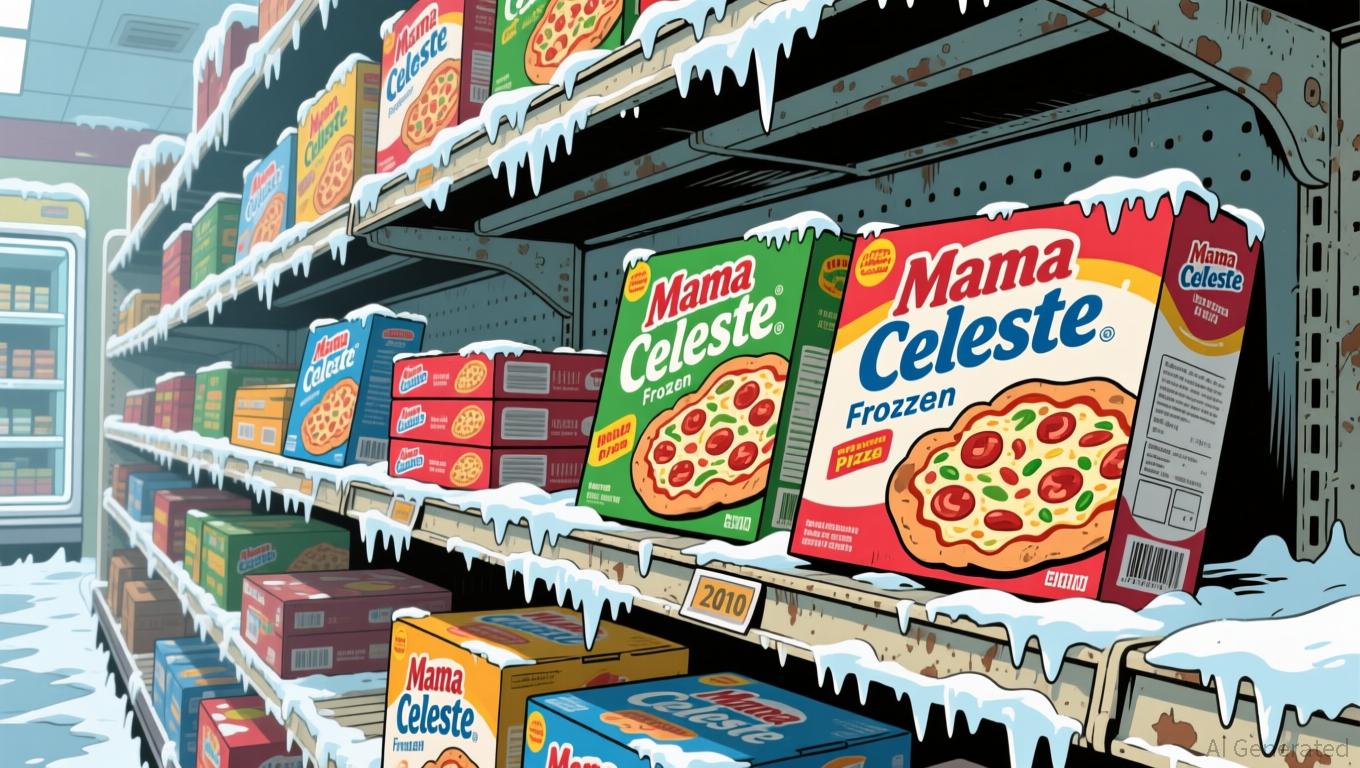
The discontinuation of Mama Celeste Frozen Pizza was the result of a confluence of business factors, with financial distress and supply chain disruptions being the primary drivers. The company had relied heavily on third-party manufacturing partners to produce its pizzas, a model that proved vulnerable when those partnerships dissolved. The loss of these manufacturing agreements left the brand without the capacity to produce its products at the volume required to meet retail demand, leading to widespread stockouts and eroded consumer confidence.
Additionally, Mama Celeste faced significant financial headwinds that limited its ability to invest in necessary improvements or secure new financing. The company's debt load, combined with declining sales as distribution channels dried up, created a vicious cycle that was difficult to break. Management's attempts to restructure the business or find a buyer for the brand ultimately failed, leading to the decision to cease operations entirely. The retirement of the brand was thus a direct consequence of its inability to adapt to the operational and financial realities of the frozen food industry.
Another critical factor was the intense competition from national brands that could offer similar products at lower prices due to economies of scale. Mama Celeste's positioning as a premium, authentic Italian-style frozen pizza appealed to a niche market, but this niche was not large enough to sustain the business in the face of aggressive pricing and marketing from larger competitors. The brand's retirement underscores the challenges faced by premium niche brands in a market where cost efficiency and distribution reach are paramount.
What Replaced Mama Celeste? Current Market Landscape And Alternatives
With Mama Celeste Frozen Pizza retired, the market space it once occupied has been filled by a variety of alternative brands that cater to similar consumer preferences. Today's frozen pizza aisle is dominated by major players that offer a wide range of products, from classic cheese and pepperoni to gourmet options with artisanal ingredients. Brands such as DiGiorno, Red Baron, and Totino's continue to lead the market in terms of sales volume and brand recognition, while premium brands like California Pizza Kitchen and Lou Malnati's have carved out niches for themselves in the higher-end segment.
For consumers who were fans of Mama Celeste's authentic Italian-style offerings, several current alternatives provide comparable quality and flavor profiles. Many of these brands have embraced the trend toward premium frozen foods, offering products with high-quality crusts, fresh ingredients, and innovative toppings. The evolution of the frozen pizza market since 2013 reflects a broader shift in consumer preferences toward convenience without sacrificing quality, a trend that has benefited both established brands and new entrants.
From an investment standpoint, the current frozen pizza market is characterized by stability and gradual growth, driven by innovations in product development and expanding distribution channels. The retirement of smaller brands like Mama Celeste has allowed larger companies to consolidate their market share and invest more heavily in research and development. This consolidation has led to a more efficient market structure, where scale and operational excellence are key drivers of success. Consumers looking for alternatives to Mama Celeste will find a robust selection of products that meet their needs, while investors can observe the continued strength of the major players in the frozen food sector.